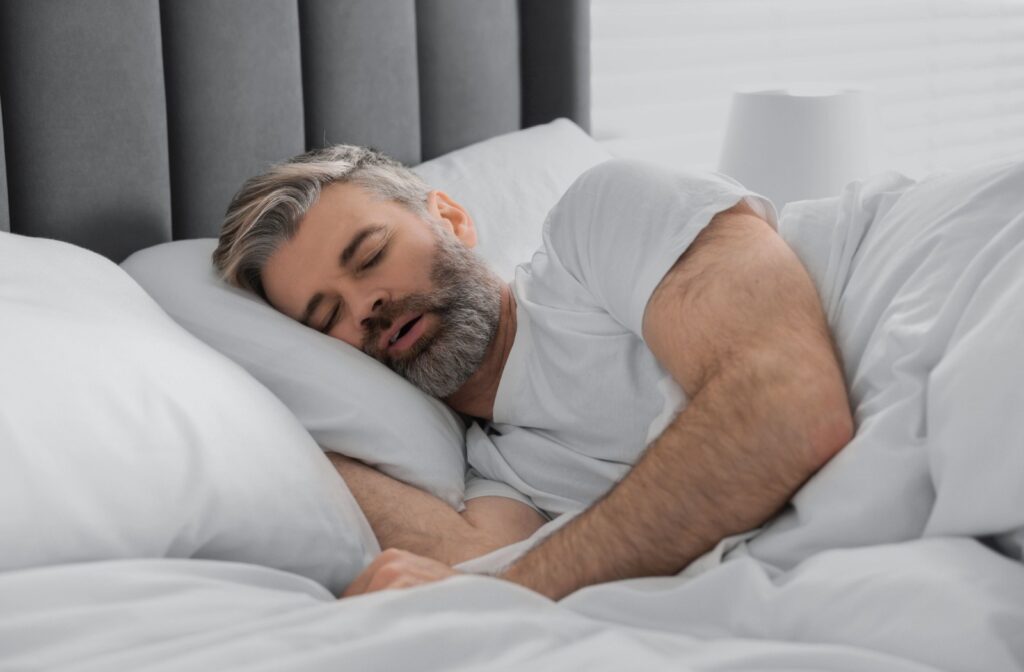
You might think that loud, disruptive snoring always comes with sleep apnea. Many people assume that if they don’t snore, they can’t have this sleep disorder. Shawnessy Dental Centre has helped many patients discover that just because they’re sleeping silently, it doesn’t mean they don’t have sleep apnea.
Yes, you can have sleep apnea without snoring, and this “silent” version often goes undiagnosed for years. Many people suffer from blocked airways and interrupted sleep without making a sound, missing out on the rest their bodies desperately need.
What Is Silent Sleep Apnea?
Silent sleep apnea disrupts your sleep without the telltale loud breathing sounds most people associate with the sleep disorder. Your airway can still become blocked multiple times throughout the night, reducing oxygen levels in your blood. Each time this happens, it forces your body to partially wake up to restart breathing.
The main difference can sometimes be in how your airway closes. Instead of vibrating tissues that create snoring sounds, your throat muscles relax and collapse quietly. This silent version often goes unnoticed because your sleeping partner doesn’t complain about noise, and you might not realize anything is wrong.
Many people live with this condition for years without a diagnosis. They blame their constant tiredness on stress, age, or busy schedules, never connecting their symptoms to sleep apnea.
Signs You Might Have Sleep Apnea Without Snoring
Daytime Symptoms to Watch For
Constant exhaustion hits you even after what feels like a full night’s rest. You climb into bed at 10 PM, sleep until 7 AM, but still feel like you barely slept at all. People with sleep apnea often report feeling tired because their bodies never reach the deep, restorative sleep stages they need.
Morning headaches greet you regularly, along with a very dry mouth. These can happen because your brain didn’t get enough oxygen overnight. You might also find yourself struggling to focus during important meetings or forgetting simple tasks you normally handle with ease.
Nighttime Warning Signs
Frequent trips to the bathroom interrupt your sleep, sometimes 3–4 times per night. Sleep apnea is associated with increased nighttime urination, partly because of changes in oxygen levels in the body. You might also notice yourself tossing and turning constantly, never finding a comfortable position.
Some people wake up suddenly with a choking sensation or feeling like they can’t catch their breath. These episodes happen when your body jolts itself awake to restart breathing after an apnea event.
Why Some People Don’t Snore with Sleep Apnea
Your tongue position can play a major role in silent sleep apnea. When your tongue falls back against your throat, it can create a seal that can significantly block airflow without causing vibrations. The blockage happens so smoothly that no sound escapes.
Understanding Throat Anatomy
Each person’s throat anatomy is unique. The way your soft tissues collapse during sleep depends on factors like tongue size, throat shape, and muscle tone. Some airways close with a flutter that creates noise, while others shut quietly.
Different Types of Sleep Apnea
Central sleep apnea affects your brain’s signals to breathing muscles rather than physical airway blockages. Your brain doesn’t send consistent signals to your breathing muscles, creating gaps in oxygen without any throat vibrations or sounds.
How Dentists Can Help Detect Sleep Issues
Teeth Grinding
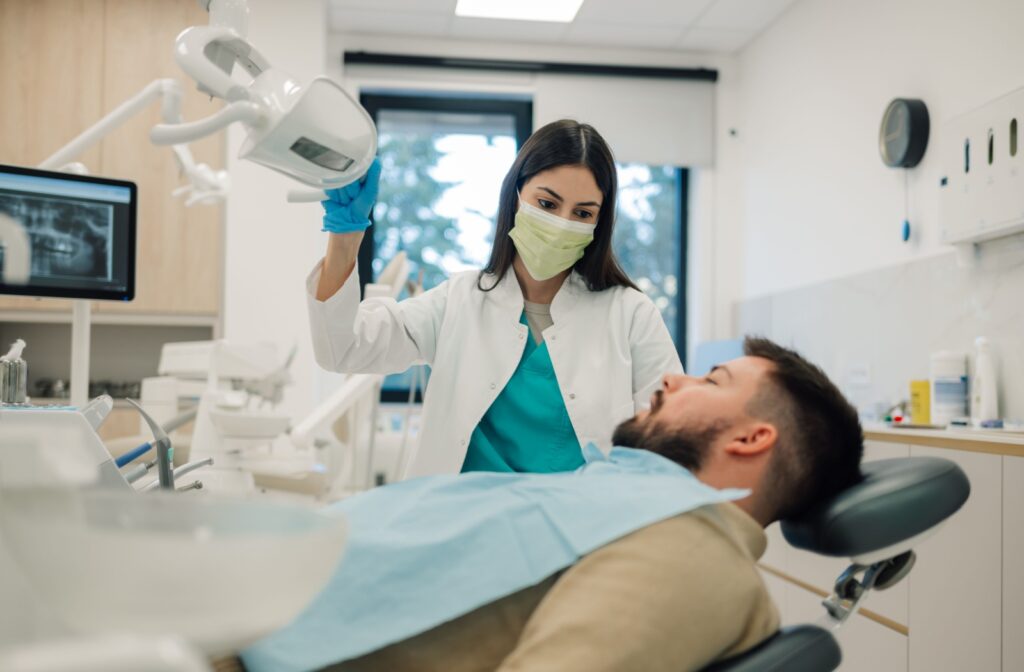
Your dentist often spots the first clues of sleep problems during routine checkups. Worn-down teeth from grinding show that your jaw muscles work overtime during sleep, often trying to open blocked airways. These grinding patterns can tell a story about the nighttime stress your body experiences.
Overall Oral Structure
The position of your jaw and tongue directly affects how easily air flows through your breathing passages. A dentist can evaluate whether your oral structure contributes to airway problems and discuss potential solutions.
Oral appliance therapy offers a comfortable alternative to bulky CPAP machines for many people. These custom-fitted devices gently hold your jaw and tongue in positions that keep your airway open throughout the night.
Taking the Next Step for Better Sleep
While a dentist can point out the signs that may indicate a sleep issue, a professional sleep study is needed to provide the diagnosis you need to move forward. These tests monitor your breathing, oxygen levels, and brain activity throughout the night, revealing exactly what happens while you sleep.
Sleep Is Important
Treatment options can dramatically improve how you feel every day. Better sleep means more energy for your family activities, sharper focus at work, and improved overall health. You might be surprised how much life feels when you actually get restorative rest.
Don’t Deal with Sleep Apnea Alone
Dealing with a lack of sleep can be frustrating: Your whole world might feel exhausting, and it seems like there’s no real answer as to why. Our team at Shawnessy Dental Centre can help identify factors that may be contributing to your sleep issues and discuss treatment options that fit your lifestyle. Don’t manage this alone: Contact us today to take the first step toward good sleep and improved quality of life.