

Key Takeaways
- For many adults, ibuprofen may help with tooth pain and inflammation, but it is not suitable for everyone.
- Acetaminophen may help with pain when ibuprofen is not appropriate, but it does not address swelling.
- Do not place aspirin or any painkiller directly on your tooth or gums. Do not give aspirin to children or teenagers unless a healthcare professional says it is appropriate.
- A cold compress, a gentle warm salt-water rinse, and soft foods may provide temporary comfort while you wait.
- Persistent or worsening pain, fever, facial swelling, discharge, or a bad taste calls for prompt dental advice. Trouble breathing or swallowing requires emergency medical care.
Painkillers That Help Most With Tooth Pain
A toothache can feel especially intense at night, but pain relief is only temporary. The right next step depends on what is causing the pain.
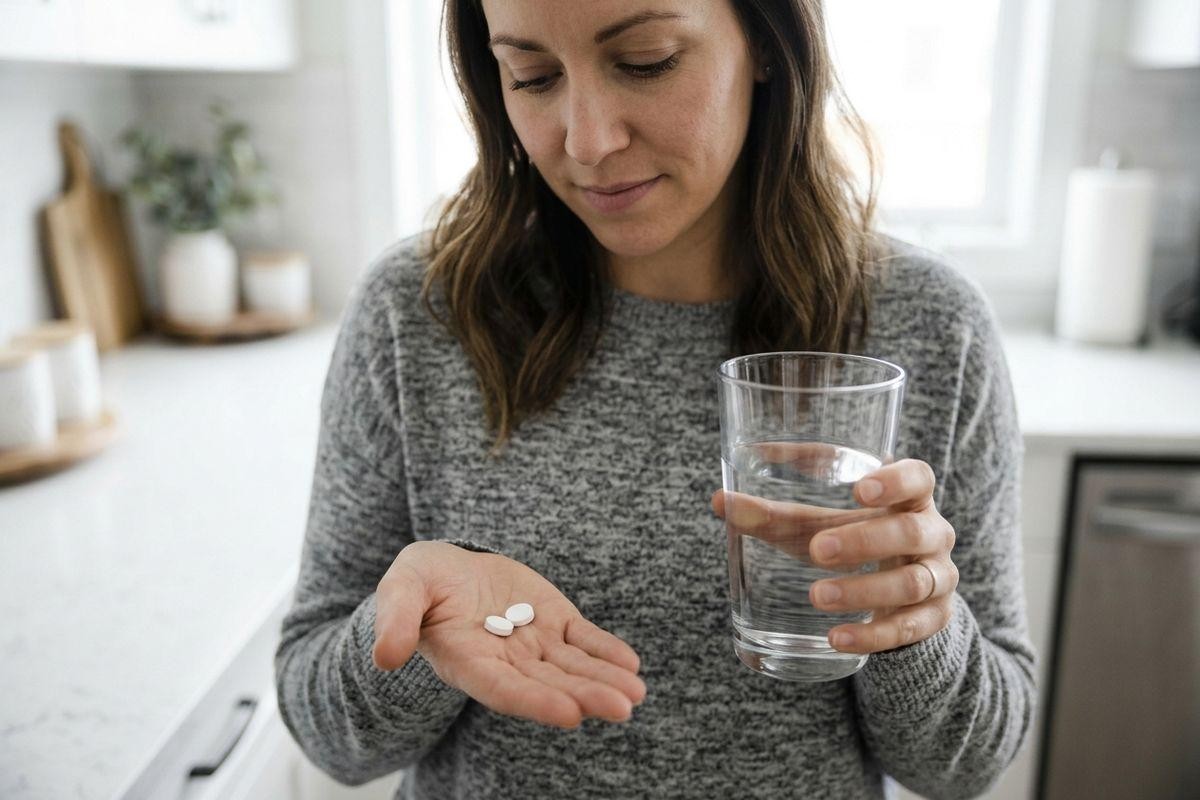
For many adults, ibuprofen may help with tooth pain and inflammation, but it is not suitable for everyone. Acetaminophen may be an alternative when an anti-inflammatory is not appropriate. Follow the label directions, and ask a pharmacist or dentist if you take other medications or have a health condition. Neither option treats the underlying cause of tooth pain.
Why Your Tooth Hurts in the First Place
Pain is your tooth’s way of flagging something that needs attention. Common culprits include cavities and cracks. Worn enamel can contribute to sensitivity. Gum irritation or an infection, including an abscess, can also cause pain. Sometimes the cause is grinding your teeth or a filling that’s come loose.
Types of Pain & What They Point To
The way the pain shows up gives you clues. Sharp pain when you bite down feels different from an ache that never lets go, and both feel different from that jolt when cold water hits.
- Sharp pain when you bite down often points to a crack or a filling that has shifted.
- A dull, constant ache can mean decay has worked its way deeper into the tooth.
- Sensitivity to hot or cold may come from thin enamel or gums that have pulled back.
Over-the-Counter Painkiller Options for Toothaches
Ibuprofen
For many adults, ibuprofen may help with tooth pain and inflammation, but it is not suitable for everyone. Follow the label directions, including any instructions about taking it with food. Ask a pharmacist or dentist if you take other medications or have a health condition.
Acetaminophen
Acetaminophen may help with pain when ibuprofen is not appropriate, but it does not address swelling. Follow the label directions and keep track of the total daily amount. Ask a pharmacist or dentist if you take other medications or have a health condition.
What to Avoid
A few habits cause more trouble than relief.
- Do not place aspirin or any painkiller directly on your tooth or gums.
- Do not give aspirin to children or teenagers unless a healthcare professional says it is appropriate.
- Check cold medicines and other products so you do not take the same painkiller twice.
Simple Ways to Add Comfort at Home
Small steps may provide temporary comfort while you wait for an appointment. Hold a cold compress wrapped in a cloth against your cheek for 15 to 20 minutes. A gentle warm salt-water rinse may help temporarily. Stick with soft foods and chew on the other side.
Tips for Toothache Relief at Night
Nighttime is usually when the ache feels loudest, and a lingering toothache can bring on a headache as well.
- Prop your head up with an extra pillow or two.
- If you need pain relief at night, follow the product label or your dentist’s or pharmacist’s instructions.
- Avoid foods or drinks that trigger the pain in the evening.
When Painkillers Aren’t Enough
Medication buys time. It does not treat the cause, and some symptoms mean the tooth needs to be looked at soon.
- Pain that persists or gets worse, especially after 48 hours
- Fever, swelling in the cheek or jaw, a bad taste, or discharge
- Trouble breathing or swallowing, which requires emergency medical care
What Happens at a Dental Visit
The visit starts with an exam and X-rays to find out what’s going on. The cause determines whether you need a filling, root canal therapy, or another treatment. Emergency dental care is available when the pain cannot wait.
How to Keep Toothaches From Returning
Most tooth pain builds slowly from something small. Brushing twice a day and cleaning between your teeth can help prevent it. Cutting back on sugary drinks and snacks helps as well, especially for kids with juice boxes in the lunch bag. Checkups every six months can catch problems while they’re still easier to handle.
Extra Protection to Ask About
Custom mouthguards can protect teeth from grinding or sports impacts. For children, sealants and fluoride give kids’ teeth added support. Treating small problems early keeps them from turning into painful ones.
Get Relief From Tooth Pain in Southwest Calgary
Painkillers can carry you through a rough night, but a tooth that keeps aching deserves a proper look. The team at Shawnessy Dental Centre has been caring for families since 1995. Call today to book your visit.