
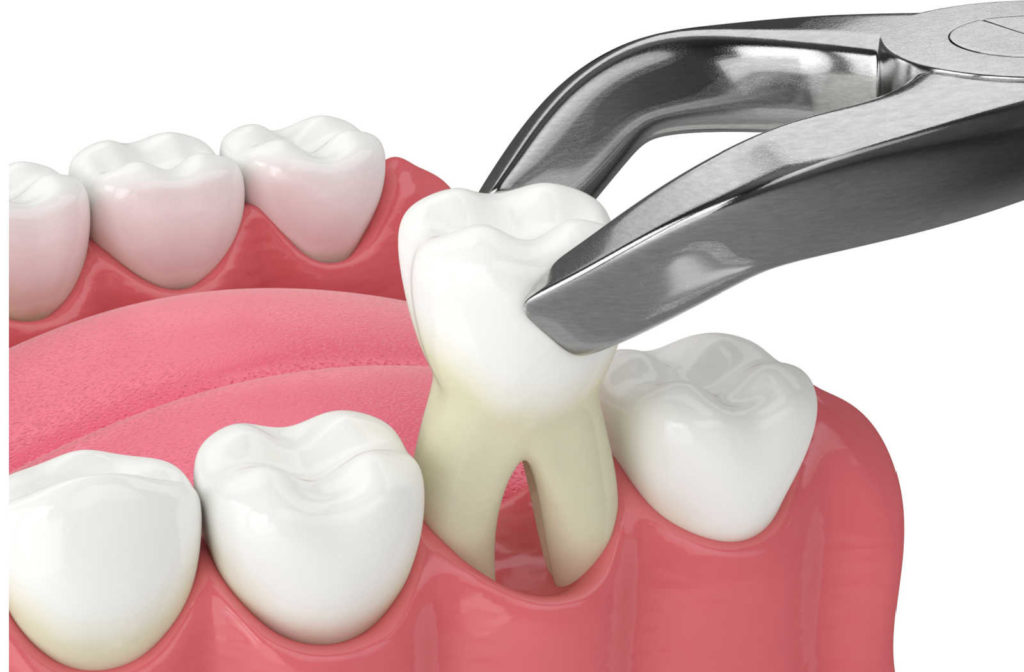
Recovering from oral surgery can come with a lot of questions, such as, “how can you make numbness go away?” or, “can you use mouthwash after a tooth extraction?” Your dentist can answer many of these questions, including one of the most important: “what can you eat after?”
The key to successful healing after tooth extraction is choosing soft, lukewarm foods for the first week while avoiding anything hard, crunchy, spicy, or acidic that could irritate your extraction site. Shawnessy Dental Centre provides comprehensive aftercare guidelines, and following proper recovery protocols can help you heal faster and more comfortably.
The First 48 Hours: Your Safest Food Options
Soreness near your mouth can last for several days after oral surgery. During that time, you may not feel motivated to eat much, but eating soft foods can help you get the nutrients needed for recovery while also giving your jaw a rest.
In the first 2 days following minor oral surgery, it’s often best to only eat soft foods, but you may find that as your soreness wears off, you’re more interested in expanding your diet. During that time, try to eat foods that require less chewing.
Soup can be a satisfying meal in the days following oral surgery, but when eating foods that are normally hot, such as soup or tea, be sure to wait for them to cool off. Hot foods can increase blood flow, which may cause your wound to bleed again.
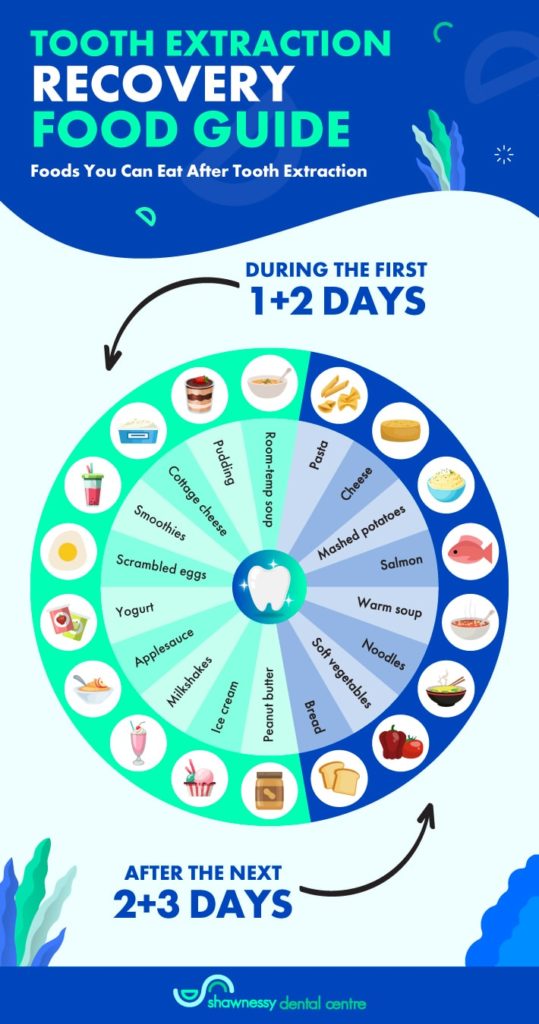
Foods you can eat in the first 48 hours after a tooth extraction include:
- Cold smoothies (drink directly from a cup, never use straws)
- Room temperature soups like chicken broth
- Scrambled eggs cooked soft
- Plain yogurt without chunks
- Ice cream and pudding
- Unsweetened applesauce
- Mashed potatoes with butter
During this critical period, maintaining good oral hygiene while being gentle around the extraction site helps prevent infection and promotes healing.
Days 3-7: Expanding Your Meal Options
Your mouth starts forming new tissue around day three, which means you can gradually add foods with slightly more texture. Your extraction site becomes less sensitive, but you still need to eat carefully.
Soft But More Substantial Foods
You can now enjoy meals that feel more satisfying while still protecting your healing socket:
- Soft pasta and creamy mac and cheese
- Well-cooked fish like salmon that flakes easily
- Soft bread with crusts removed
- Cottage cheese
- Warm (not hot) soups with soft vegetables
Temperature Guidelines
Heat can increase blood flow to your extraction site and cause renewed bleeding. Lukewarm foods feel comfortable and won’t disrupt your healing process like hot foods can. If you experience any concerning symptoms, consider emergency dental care guidance.
Foods to Completely Avoid After a Tooth Extraction
Certain foods can get stuck in your extraction site, cause infection, or physically damage your healing tissue. You need to avoid these completely until your socket heals.
Hard & Crunchy Foods
These foods can break apart and lodge in your extraction site or require too much chewing force:
- Popcorn
- Nuts and chips
- Hard candy
- Raw carrots
Spicy & Acidic Foods
Acids and spices irritate your tender extraction site and can cause burning pain:
- Hot peppers
- Citrus fruits
- Tomato-based sauces
- Orange juice
Other Items That Slow Healing
- Alcohol (interferes with blood clotting)
- Seeds and grains (can get trapped in the socket)
- Anything requiring a straw (suction can dislodge blood clots)
When you understand what causes complications, you can make better food choices. Similar to how cavities develop from bacteria and food particles, extraction sites can become infected if food debris gets trapped.
Tooth Extraction Recovery Meal Plan
How can you avoid thinking too much about what to eat during the days following your procedure? Use this meal plan to mix and match options for your meals during the first 5 days of your recovery. Don’t forget which foods are recommended during the first 2 days while planning your meals.
Day 1
- Breakfast: Strawberry-banana smoothie
- Lunch: Cold cucumber soup
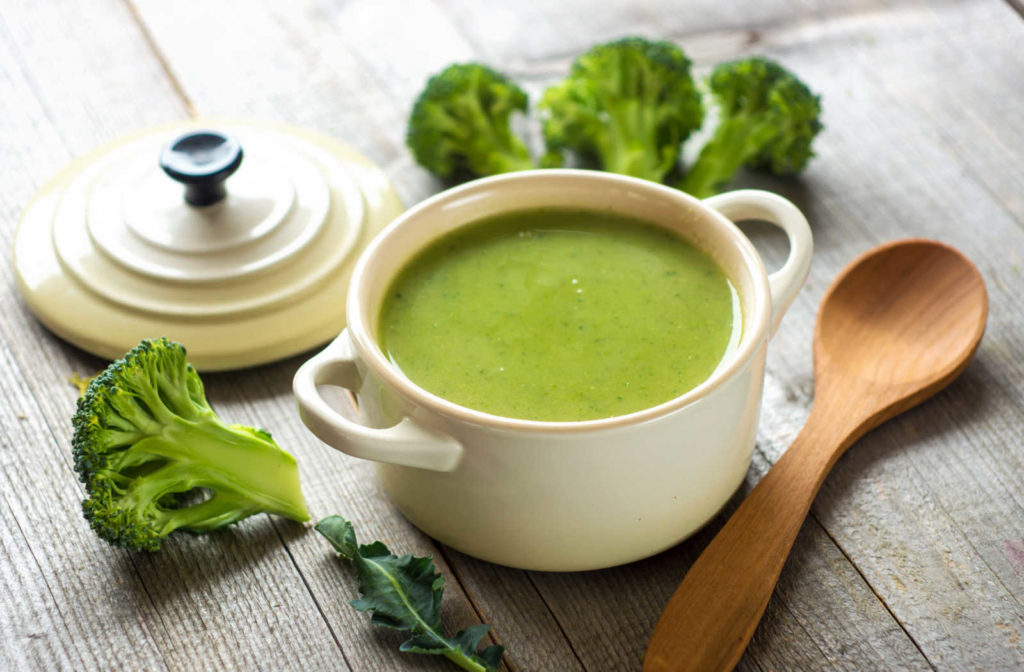
- Dinner: Cream of broccoli soup
- Snack: Ice cream or sorbet
Day 2
- Breakfast: Tropical smoothie
- Lunch: Chilled avocado soup
- Dinner: Pumpkin Soup
- Snack: Yogurt, pudding, or applesauce
Day 3
- Breakfast: Scrambled eggs
- Lunch: Roasted carrot and ginger soup
- Dinner: Macaroni and cheese
- Snack: Cottage cheese or greek yogurt
Day 4
- Breakfast: Cheese and egg breakfast wrap
- Lunch: Peanut butter and jelly sandwich
- Dinner: Roasted butternut squash soup
- Snack: Cheese or a banana
Day 5
- Breakfast: Berry smoothie
- Lunch: Pasta with olive oil and garlic
- Dinner: Roasted salmon and mashed potatoes
- Snack: Milkshake
What Else Should You Avoid After Oral Surgery?
Immediately following the procedure, your dentist may recommend that you avoid rinsing your mouth for the first 24 hours to ensure clots are not washed away.
Try to avoid physical strain as well. It’s important to give yourself time to rest after surgery. Getting plenty of rest not only helps prevent discomfort that can be caused by moving around but can also help you heal.
When it comes to oral care, you can brush and floss your teeth as usual, but take care to avoid the areas near the spot where your tooth was removed. You should also avoid using mouthwash while recovering from a tooth extraction.
How to Speed Up Your Socket Healing
Your body needs specific nutrients and gentle care to rebuild tissue efficiently. Simple changes to how you eat can help you recover faster and more comfortably.
Eating for Recovery
Your healing tissue needs protein to rebuild itself properly:
- Focus on protein-rich soft foods like eggs, fish, and dairy
- Stay hydrated with room temperature water throughout the day
- Take small bites and chew on the opposite side of your mouth
Swallowing Safely
Swallow gently without creating suction in your mouth. This protects your blood clot from being pulled out of the extraction site. Proper healing also depends on maintaining overall oral health through gentle brushing and flossing techniques.
When You Can Return to Normal Foods
Your timeline for eating regular foods depends on how quickly your extraction site heals. Most people can gradually return to their normal diet within two weeks, but everyone heals differently.
Week 1: The Critical Healing Period
Your extraction site remains vulnerable during this time. Patience with soft foods now prevents complications that could extend your recovery by weeks.
Week 2 & Beyond: Gradual Return
You can start testing slightly harder foods like soft crackers or tender chicken. Listen to your mouth — if something causes discomfort, wait a few more days before trying again. Regular dental checkups help keep your healing progressing as expected.
Comprehensive Dental Care to Meet Your Needs
At Shawnessy Dental, we’re here to help you during every step of oral surgery, from answering your questions before the procedure to providing advice and support for your recovery.
Schedule an appointment today to get comprehensive dental care from our trusted team.